What's Really Inside Your Supplement? We Cracked Open 50+ Labels and Found Some Seriously Sketchy Stuff

Photo by Photo by Sasun Bughdaryan on Unsplash on Unsplash
Let's be real for a second. When you drop $60 on a tub of pre-workout or a muscle-building stack, you're trusting that what's printed on the label is actually what's inside the container. Seems like a reasonable expectation, right? Turns out, not so much.
We spent the better part of two months digging through more than 50 supplement labels — everything from popular protein powders and testosterone boosters to "natural" muscle builders and fat burners — and then cross-referencing those labels against publicly available third-party lab testing data, FDA warning letters, and findings from independent researchers. What we found wasn't pretty.
This isn't a hit piece on the entire supplement industry. There are legitimate companies doing things the right way. But there's enough shady business happening in the shadows that every serious lifter in the US needs to understand how this system actually works — or more accurately, how it doesn't.
The FDA's Role (And Its Very Real Limits)
Here's the thing most people don't know: dietary supplements in the United States are not approved by the FDA before they hit store shelves. Unlike prescription drugs, which require extensive clinical trials and regulatory sign-off, supplements operate under a different legal framework — the Dietary Supplement Health and Education Act of 1994, better known as DSHEA.
Under DSHEA, manufacturers are responsible for ensuring their own products are safe and accurately labeled. The FDA steps in after a product is already on the market, usually only when consumer complaints pile up or something goes badly wrong. By then, millions of units may have already been sold and consumed.
The agency does conduct inspections and issues warning letters, but with thousands of supplement brands operating across the country and limited resources, enforcement is more reactive than preventative. Think of it like a traffic cop who only shows up after the accident has already happened.
What We Actually Found in Those Labels
When we started pulling apart label data and comparing it to third-party testing results from organizations like NSF International, Informed Sport, and independent university labs, a few patterns showed up repeatedly.
Unlisted fillers and flow agents. A surprising number of products contained compounds like silicon dioxide, magnesium stearate, and various cellulose derivatives that weren't disclosed anywhere on the label. These aren't necessarily dangerous, but they're not nothing either — and you have a right to know what you're putting in your body.
Proprietary blends masking actual dosages. This one's technically legal, but it's deeply misleading. A "proprietary blend" lets a company list a group of ingredients under one umbrella without telling you how much of each is actually in there. You might see creatine, beta-alanine, and citrulline listed under a 4,000mg blend — but if 3,800mg of that is creatine and the rest is split between the other two, you're basically not getting a functional dose of anything except creatine. We found this tactic used aggressively across pre-workout and "muscle matrix" products.
Stimulants not listed on the label. This is where things get genuinely alarming. Independent testing has repeatedly flagged supplements — particularly those marketed for weight loss and pre-workout energy — for containing stimulant compounds that simply do not appear on the ingredient list. Substances like DMAA, DMBA, and various synthetic caffeine analogs have shown up in products that claimed to be stimulant-free or made no mention of those compounds whatsoever.
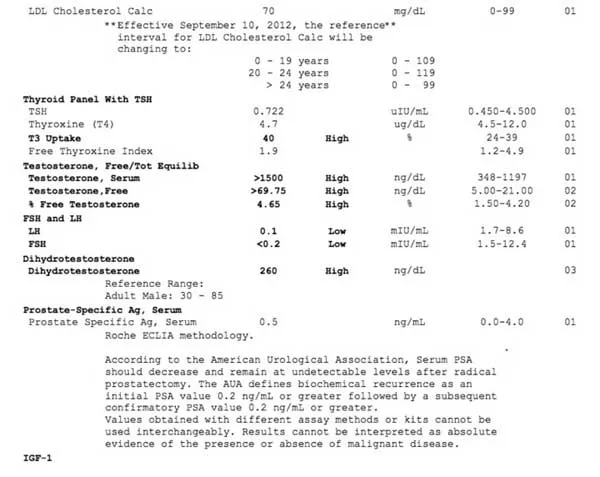
Anabolic compounds in "natural" products. Several products marketed as legal, plant-based muscle builders have been found to contain prohormones or anabolic steroids — actual controlled substances — that weren't disclosed. If you're a competitive athlete subject to drug testing, this kind of contamination (or deliberate adulteration) can end a career.
Why This Keeps Happening
Supplement industry insiders we spoke with pointed to a few structural reasons this problem persists.
First, contract manufacturing is widespread. Many supplement brands don't actually make their own products — they outsource production to third-party facilities, sometimes overseas, where quality control can be inconsistent. A brand might genuinely not know everything that ended up in their formula.
Second, the profit motive is obvious. Adding cheap fillers while listing premium-sounding ingredients on the label is a straightforward way to pad margins. When enforcement is limited and most consumers aren't running independent lab tests, the incentive to cut corners exists.
Third, the supplement market moves fast. New compounds, new formulations, new brands pop up constantly. Regulatory agencies simply can't keep pace with the volume of products entering the market every year.
Red Flags to Watch For When You're Shopping
You don't need a chemistry degree to shop smarter. Here's what we'd tell any lifter looking to protect themselves:
Look for third-party certification. Labels bearing seals from NSF Certified for Sport, Informed Sport, or USP have been independently tested and verified. These programs aren't perfect, but they're meaningfully better than no verification at all.
Be skeptical of proprietary blends. If a company won't tell you how much of each ingredient is in their product, that's a red flag. Legitimate brands with effective formulas generally have no reason to hide dosages.
Check the FDA's warning letter database. It's publicly accessible at fda.gov and searchable by company name. If a brand has received multiple warning letters, that tells you something important about how they operate.
Google the brand plus "third-party testing" or "lab results." Reputable companies usually make this information easy to find. If a brand goes silent when you start asking questions about testing, take that seriously.
Avoid products that promise results that sound too good. Supplements claiming to replicate the effects of anabolic steroids through "100% natural" ingredients should be viewed with heavy skepticism. The more extreme the claim, the more likely something sketchy is going on under the hood.
The Bottom Line
The supplement industry isn't going to police itself, and the FDA doesn't have the bandwidth to do it comprehensively. That puts the burden squarely on consumers — which is frustrating, but it's the reality we're working with.
The good news is that transparency is becoming more of a competitive differentiator. More brands are investing in third-party testing and publishing their certificates of analysis because informed buyers are demanding it. The more pressure consumers put on companies to prove what's actually in their products, the faster the industry moves in the right direction.
Until then, read labels carefully, ask hard questions, and don't assume that a product on the shelf at your local supplement store has been vetted by anyone with your best interests in mind. Your health is worth the extra five minutes of research.