Still Spending $40 a Month on BCAAs? Here's Why That Might Be One of Bodybuilding's Biggest Myths
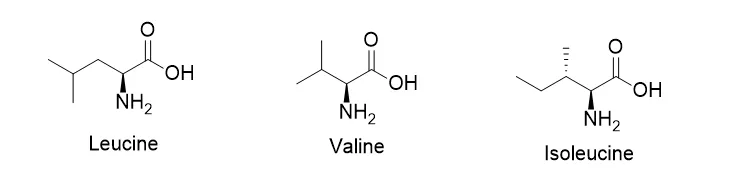
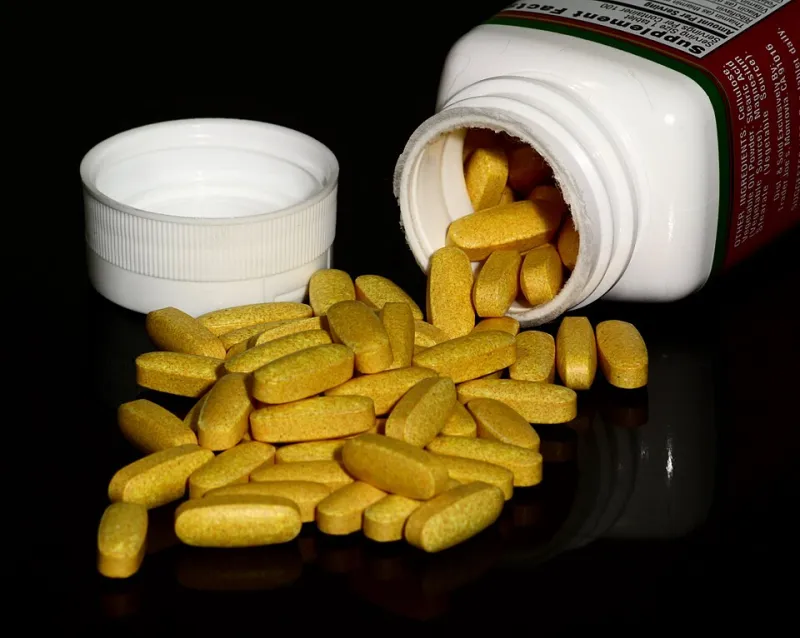
Photo: Pecresseftbeyonceplease, CC BY-SA 4.0, via Wikimedia Commons
Walk through the supplement section of any fitness store in America and BCAAs are impossible to miss. They come in every color of the rainbow, every flavor from watermelon to blue raspberry to something called "tropical thunder," and they're marketed with the kind of confidence that implies decades of ironclad science backing them up.
Here's the uncomfortable truth: for most people hitting the gym regularly and eating a reasonable amount of protein, BCAAs are probably one of the least necessary supplements on the market. The research supporting them is older, narrower, and less impressive than the industry wants you to believe — and newer studies are making the case against them even stronger.
Let's dig into what's actually going on.
What BCAAs Are (And Why They Got So Popular)
Branched-chain amino acids — leucine, isoleucine, and valine — are three of the nine essential amino acids your body can't produce on its own. Leucine in particular plays a well-documented role in triggering muscle protein synthesis, the process by which your muscles actually grow and repair.
The BCAA craze has roots in research from the 1980s and 1990s, much of it conducted on fasted subjects or people in clinical settings with protein-deficient diets. That context matters enormously, and it's context that supplement marketing conveniently leaves out.
By the 2000s, BCAAs had become a fixture of gym culture. Bodybuilding forums swore by them. Supplement companies — many of whom also sold whey protein — had every financial incentive to push a second product that could be consumed between meals, during workouts, and in the morning. The marketing machine did its job, and BCAAs became synonymous with serious lifting.
What More Recent Research Is Actually Saying
This is where things get interesting — and a little awkward for the industry.
A 2017 paper published in the Journal of the International Society of Sports Nutrition by Dr. Robert Wolfe laid out a compelling argument that BCAAs alone are insufficient to maximally stimulate muscle protein synthesis. The reason? Building muscle requires all essential amino acids, not just three of them. Supplementing with BCAAs in isolation may actually pull from your body's existing amino acid pool, creating a net neutral or even counterproductive effect.
A 2019 systematic review in Frontiers in Physiology found that BCAA supplementation produced no significant advantage over a placebo in resistance-trained individuals who were already consuming adequate dietary protein. The key phrase there is "adequate dietary protein" — which brings us to the central issue.
If you're hitting 0.7-1g of protein per pound of bodyweight through food and whole protein supplements, your muscles already have access to leucine, isoleucine, and valine in the context of a complete amino acid profile. Adding isolated BCAAs on top of that is essentially pouring water into a full glass.
The Protein Comparison That Should Make You Rethink Your Stack
Here's a direct comparison that cuts through a lot of noise.
A typical serving of whey protein concentrate delivers around 25g of complete protein, including roughly 5-6g of BCAAs naturally — plus all the other essential amino acids your muscles need to actually complete the protein synthesis process. Cost per serving? Usually $1.00-$1.50 for a mid-tier product.
A typical serving of a standalone BCAA supplement delivers 5-7g of just those three amino acids — no other essential aminos, no additional muscle-building support. Cost per serving? Often $1.25-$2.00 for a comparable product.
You're paying the same or more for a less complete product. That's not a great trade.
The supplement industry has known this math for a while. The pivot toward "EAAs" — essential amino acid supplements that include all nine essential aminos — is a quiet acknowledgment that BCAAs alone were never the full picture.
When BCAAs Might Actually Be Worth It
To be fair, there are specific scenarios where BCAAs do have a legitimate use case. It's a narrower window than the marketing suggests, but it's real.
Fasted training is probably the strongest argument. If you're someone who trains first thing in the morning without eating beforehand, a small dose of BCAAs — particularly leucine-forward formulas — may help blunt muscle protein breakdown during the session. You're not building muscle with them, but you might be protecting against catabolism in a state where your body has limited amino acids available.
Vegans and plant-based lifters sometimes struggle to hit optimal leucine thresholds through food alone, since plant proteins tend to be lower in leucine relative to animal sources. A targeted BCAA or EAA supplement can help bridge that gap.
Caloric restriction phases — think contest prep or aggressive cuts — create conditions where muscle preservation becomes a bigger concern. Here, BCAAs as a low-calorie way to maintain amino acid availability between meals has some merit, though whole protein sources are still preferable when calories allow.
Intra-workout for very long training sessions (think two-plus hours of volume work) is another limited use case where sipping BCAAs might help maintain performance toward the end of a session.
Outside of these specific windows? The evidence for most recreational lifters eating adequate protein is thin.
What to Buy Instead (And How to Reallocate That Budget)
If you're currently spending $40-50 a month on BCAAs and you're already hitting your protein targets, here's how to redeploy that money more effectively:
More whey or casein protein — especially casein before bed — will do more for muscle retention and growth than any isolated amino acid supplement. If you're not consistently hitting your protein goals through food, this is where your money belongs.
Creatine monohydrate remains one of the most research-backed performance supplements available. It's also cheap. A month's supply runs $15-20 and the evidence base for strength and power output is genuinely impressive.
EAAs over BCAAs — if you genuinely need an amino acid supplement (fasted training, plant-based diet), spend your money on a full essential amino acid formula rather than just the three BCAAs. You'll get more complete support for the same or similar price.
Food, honestly — a few extra ounces of chicken breast, Greek yogurt, or cottage cheese per day will deliver more bioavailable leucine in a complete amino acid context than most BCAA supplements on the market.
The Bottom Line
BCAAs aren't snake oil — but they're not the muscle-building essential they've been sold as for thirty years, either. The research has quietly moved on, and the most honest voices in sports nutrition have largely acknowledged that whole protein outperforms isolated amino acids for most people in most contexts.
If you're a well-fed, adequately proteined lifter buying BCAAs out of habit or because the tub looks cool on your shelf, it's worth asking whether that $40 is earning its place in your stack. For the majority of gym-goers, the honest answer is no.
Know the exceptions. Understand the research. And spend your supplement budget on things that actually move the needle.