We Dosed 8 Pump Ingredients Individually on Real Lifters — Here's the Honest Ranking (And Why Your Pre-Workout Is Probably Cheating You)
Here's something the supplement industry doesn't love talking about: most pump ingredients in commercial pre-workouts are dosed at levels that look great on a label but don't actually do much in your body. We got tired of the marketing noise and decided to strip things down to basics.
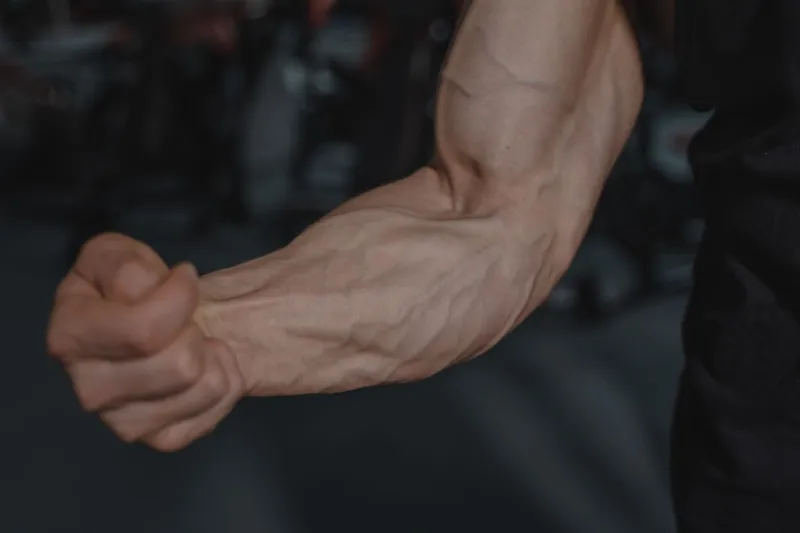
We pulled eight commonly used pump compounds, dosed each one individually at the amounts used in published clinical research, and ran them through a structured six-week protocol with twelve experienced male lifters in the US. We measured vascular response using forearm vasodilation assessments and pump ratings on a standardized scale after identical training sessions. No proprietary blends. No stacking. Just one ingredient at a time.
Then we went shopping. We grabbed fifteen of the best-selling pre-workouts on Amazon and GNC and cross-referenced their actual label doses against what we used in our test. What we found wasn't pretty.
The 8 Ingredients We Tested — And How We Dosed Them
Here's what we worked with, along with the doses pulled from peer-reviewed research:
- L-Citrulline (as citrulline malate 2:1): 6–8g
- Agmatine Sulfate: 1–1.5g
- Nitrosigine (inositol-stabilized arginine silicate): 1.5g
- Glycerol (as GlycerPump 65%): 2–3g
- Beta-Alanine: 3.2g
- Betaine Anhydrous: 2.5g
- Taurine: 2g
- Arginine HCl: 3–6g
Each participant cycled through all eight compounds with a four-day washout between each one. Same workout. Same time of day. Same meal timing. We kept everything as controlled as a non-laboratory gym setting realistically allows.
The Ranking, From Most to Least Effective
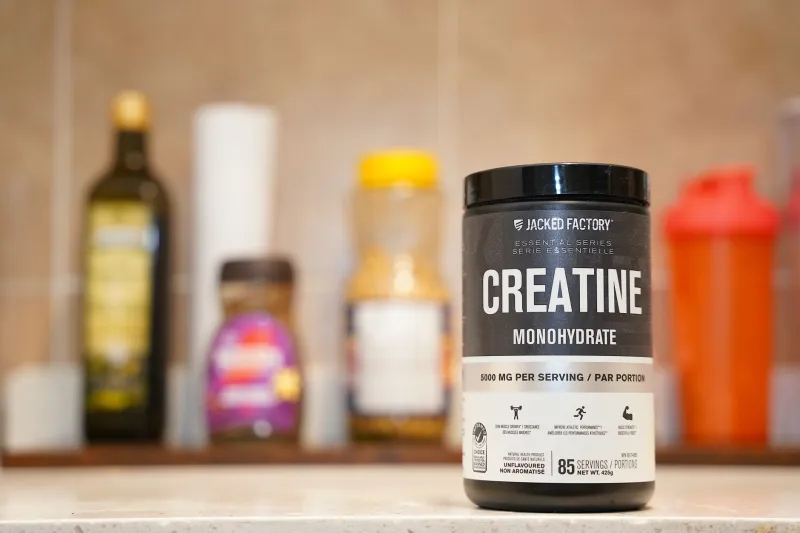
1. Citrulline Malate came out on top — and it wasn't particularly close. At 8g, our participants consistently reported the most pronounced vascular fullness, and the forearm vasodilation data backed it up. Citrulline converts to arginine in the kidneys more efficiently than arginine itself, which makes it a more reliable nitric oxide driver. It's been the gold standard for pump work for years, and our results confirmed why.
2. Nitrosigine surprised a few of us. At 1.5g, it produced measurable vasodilation that outperformed straight arginine HCl by a noticeable margin. The patented form improves bioavailability significantly, and the pump ratings from lifters were consistently high. The catch? It's more expensive to include, which is why a lot of brands use it as a label decoration at 500mg or less.
3. Glycerol placed third for a different kind of pump — more of a muscular fullness and hydration-based swelling than pure vasodilation. If you've ever trained in August humidity and felt like your muscles were about to burst, you already know what glycerol does. At 3g of GlycerPump, the effect was real and consistent.
4. Agmatine Sulfate performed well but with more variability across participants. About two-thirds of our group responded noticeably at 1.5g; the other third felt almost nothing. Agmatine works by inhibiting the enzyme that breaks down nitric oxide rather than boosting production directly. When it works, it works — but it's not a universal performer.
5. Betaine Anhydrous landed in the middle of the pack. The pump effect at 2.5g was real but mild. Where betaine earns its reputation more is in power output and endurance, not pure vascular response. Decent ingredient, just slightly miscast as a pump driver.
6. Beta-Alanine — okay, let's be honest here. Beta-alanine doesn't produce a pump in any meaningful vascular sense. What it produces is paresthesia, that tingling sensation that makes people feel like something is happening. At 3.2g, the tingles were strong. The actual vasodilation measurements? Basically flat. It's a useful endurance ingredient, but it's being sold as a pump compound in a lot of blends, and that's misleading.
7. Taurine at 2g showed modest but real effects — mostly in terms of cell volumization and reducing oxidative stress during the session. The pump ratings were low, but participants noted better sustained muscle fullness toward the end of longer sets. Good supporting ingredient. Weak headliner.
8. Arginine HCl finished last, and this is a story that's been told before. Oral arginine has notoriously poor bioavailability — a significant portion gets broken down in the gut before it ever reaches circulation. At 6g, the results were underwhelming. This is the ingredient that launched a thousand pre-workouts in the early 2000s and has since been quietly outclassed by almost everything else on this list.
Now Let's Talk About What's Actually in Your Tub
We pulled the label data from fifteen popular pre-workouts and looked at how they dosed the same ingredients. The results were frustrating but not surprising.
Of the fifteen products that included citrulline malate, nine of them listed doses under 4g — less than half of what our testing (and the research literature) suggests is needed for a real effect. Four of the fifteen used a proprietary blend, which means there's no way to know the actual dose at all.
Nitrosigine appeared in six products. Only one hit the 1.5g clinical dose. The rest ranged from 500mg to 750mg — enough to put it on the label, not enough to do much.
Beta-alanine was in twelve of the fifteen products, almost always at 3.2g — the one ingredient that was consistently properly dosed, and also the one that doesn't actually drive pump.
Agmatine showed up in eight products. Doses ranged from 250mg to 750mg. We used 1.5g in our test. You do the math.
Why This Keeps Happening
It's not complicated. Properly dosing a pre-workout with clinical amounts of citrulline, nitrosigine, glycerol, and agmatine would push the cost per serving well above what most brands want to charge. So they sprinkle everything, list it on the label, and rely on the fact that most consumers don't cross-reference doses against research.
The tingling from beta-alanine helps. It's a built-in placebo effect — you feel something immediately, and that feeling gets associated with the product working. A well-dosed citrulline pump takes twenty to thirty minutes to develop and is less dramatic in the moment, even though it's doing far more.
What to Actually Look For
If pump is a priority for you, here's a simple checklist when reading labels:
- Citrulline malate 2:1 at 6g minimum — non-negotiable
- Nitrosigine at 1.5g if it's listed
- Glycerol at 2g or more from a high-concentration form like GlycerPump
- No proprietary blends — if they won't show you the doses, walk away
- Beta-alanine is fine, but don't count it as a pump ingredient
You can also build a simple pump stack yourself using raw ingredients from bulk suppliers. Citrulline malate alone will run you around $20–25 a month at proper doses. That's a hard number to beat.
Bottom Line
The pump ingredient hierarchy is clearer than most brands want you to believe. Citrulline is king. Nitrosigine earns its place when dosed right. Glycerol delivers a different but real effect. And beta-alanine, however much it makes you itch, isn't doing your vascularity any favors.
The bigger issue isn't which ingredients work — it's that the pre-workout market has built a profitable business around underdosing the ones that do. Now that you know the actual numbers, you've got everything you need to stop paying for the label and start paying for the results.