Your 'Premium' Protein Powder Might Be Wrecking Your Gut — Here's the Ugly Truth Behind the Bloat
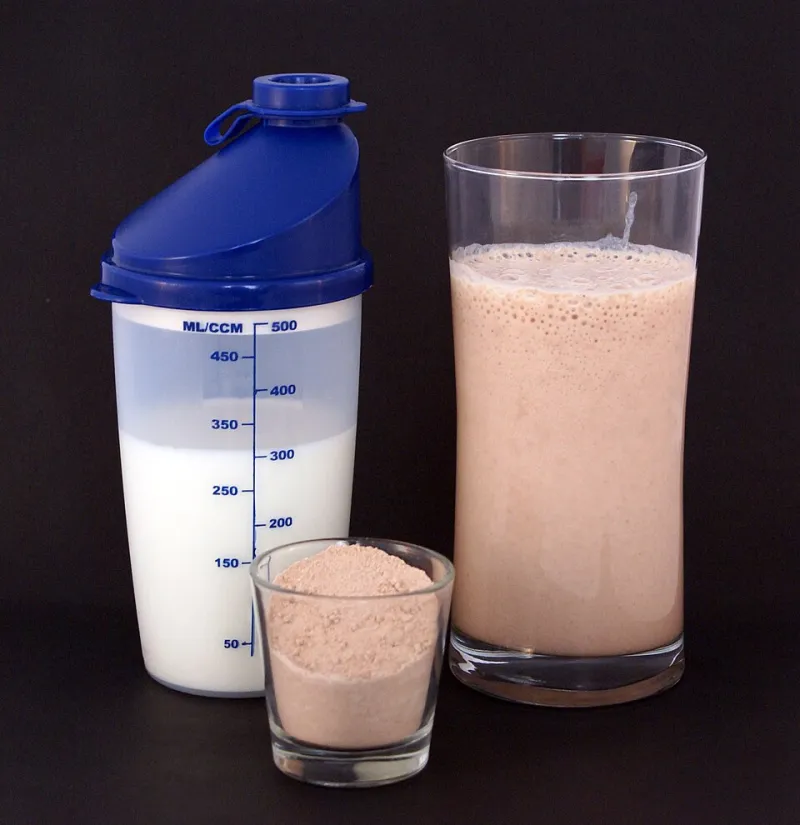
Photo: Sandstein, CC BY 3.0, via Wikimedia Commons
You paid $60 for a tub that promised clean ingredients, easy digestion, and zero fillers. Then you mixed your first shake, drank it down, and spent the next two hours feeling like you swallowed a bicycle pump.
Welcome to the protein powder paradox — where the fancier the label, the worse your gut sometimes feels. If you've been chalking this up to lactose sensitivity or just "a sensitive stomach," hold on. The real culprits are hiding in plain sight on that ingredients panel you probably skimmed past.
The 'Isolate' Marketing Game Is More Complicated Than You Think
Whey isolate gets sold as the gold standard of protein. It's filtered more aggressively than concentrate, which strips out most of the lactose and fat. On paper, that should mean fewer digestive issues. And for a lot of people, it does help.
But here's where brands get sneaky: the processing doesn't stop at filtration. By the time your protein powder hits a shelf at GNC or shows up on your doorstep from Amazon, it's been through flavoring, sweetening, and texture enhancement — and that's where things go sideways.
The isolate itself? Probably fine. Everything they added to make it taste like birthday cake? That's your problem.
Sugar Alcohols: The Sneaky Bloat Bombs in Your Shake
If you've ever seen "sorbitol," "xylitol," "erythritol," or "maltitol" on a label, you've met sugar alcohols. They're used to sweeten protein powders without adding sugar calories — which sounds like a win until your digestive system gets involved.
Here's what happens: sugar alcohols aren't fully absorbed in your small intestine. They travel into your large intestine mostly intact, where gut bacteria ferment them. The byproduct of that fermentation is gas. A lot of it. The kind that makes you deeply regret your pre-gym shake.
Erythritol tends to be the least offensive of the bunch, but even it causes issues for people who are sensitive. Maltitol is basically a guaranteed problem — it has one of the highest rates of GI distress of any sugar alcohol on the market, and it still shows up in plenty of "clean" protein products.
The fix? Read past the "sugar-free" claim on the front and go straight to the ingredients list. If you see anything ending in "-ol" in the first five ingredients, put it back.
Artificial Sweeteners Aren't Off the Hook Either
Sucralose and acesulfame potassium (Ace-K) are in almost every mainstream protein powder on the market. They're cheap, intensely sweet, and calorie-free — which makes them attractive to manufacturers trying to keep macros tight.
The research on these sweeteners and gut health is still evolving, but early evidence isn't exactly reassuring. Some studies suggest sucralose may alter the composition of gut bacteria with long-term use. Others point to it triggering insulin responses despite being "calorie-free." Neither of those outcomes is what you're paying $60 for.
Ace-K gets even less attention, mostly because it's usually paired with sucralose and flies under the radar. But it's associated with its own set of concerns, and neither sweetener has a great track record for people who already deal with digestive sensitivity.
Gums and Thickeners: Texture Helpers That Can Turn on You
Ever wonder why some protein shakes have that thick, almost pudding-like consistency? Thank gums — specifically xanthan gum, guar gum, and carrageenan. These are used to improve texture and prevent separation, and in small amounts, most people handle them fine.
But in larger doses — or for people with IBS or general gut sensitivity — gums can cause bloating, cramping, and loose stools. Carrageenan in particular has been flagged in research for potentially promoting gut inflammation, though the science is still debated. What isn't debated is that plenty of lifters report feeling noticeably better after switching to products that leave these ingredients out.
So What Actually Works Without Destroying Your Insides?
Here's the honest answer: it depends on your gut, and you'll probably have to experiment. But there are some solid guidelines that'll save you a few miserable post-shake afternoons.
Go unflavored when possible. Unflavored whey isolate or egg white protein removes most of the additives that cause problems. Yeah, it tastes like nothing — but mix it into a smoothie with fruit and you won't notice. And your gut will thank you.
Look for stevia-sweetened options. Stevia isn't perfect, and some people find it has a bitter aftertaste, but it's far less likely to cause the fermentation-driven bloat that sugar alcohols produce. Brands like Naked Nutrition and Transparent Labs have leaned into simpler sweetening and shorter ingredient lists.
Consider plant-based proteins if dairy is the issue. If you've tried a clean whey isolate and still feel rough, your gut might just not vibe with dairy-derived proteins. Pea protein has solid amino acid profiles (especially when combined with rice protein) and tends to be gentler for people who struggle with whey. It's not the same, but it's not a bad alternative.
Try digestive enzyme blends. Some higher-end protein powders include added enzymes like protease, lactase, and bromelain specifically to improve digestion. NOW Sports and Optimum Nutrition have options in this space. These can genuinely help, especially if lactose is part of your problem.
Start with a half-serving. This sounds obvious but gets skipped constantly. If you're trying a new protein, start with half a scoop and see how your body responds before committing to two full scoops a day.
The Bottom Line
Paying more for a protein powder doesn't automatically mean your gut is going to be happier. The "premium" label often just means better marketing, not a cleaner formula. The real work is in reading ingredient lists, understanding what each additive actually does to your digestive system, and being honest about your own sensitivities.
Bloom isn't the answer. Neither is switching brands every three weeks hoping something sticks. Figure out which specific ingredients are giving you trouble, eliminate them, and then build from there. Your gains shouldn't come at the cost of spending half your day bloated — and with a little label literacy, they don't have to.