Stop Chugging That Shake in the Parking Lot: The Truth About Post-Workout Protein Timing
Picture this: it's leg day, you're barely standing, and your gym buddy is already shaking up his $60 post-workout formula like his gains depend on it. "Gotta hit the anabolic window, bro," he says with complete confidence.
Here's the thing — that window might be a lot bigger than the supplement industry wants you to believe. In fact, some researchers argue it barely exists the way it's been sold to us.
Let's break it all down.
Where the "30-Minute Window" Idea Actually Came From
The concept of an anabolic window — the idea that you need to flood your muscles with protein within 30 to 60 minutes post-training or risk losing your gains — became mainstream fitness gospel sometime in the early 2000s. It spread through bodybuilding forums, gym culture, and, not coincidentally, supplement marketing campaigns.
Early studies did show that consuming protein close to a training session could enhance muscle protein synthesis. But there was a catch: many of those studies were done on fasted subjects, older adults, or used training protocols that don't reflect what most people actually do at the gym.
When you train fasted — say, first thing in the morning before eating anything — timing your protein intake does matter more. Your body hasn't had fuel in hours, and getting amino acids in post-workout makes a real difference. But that's a pretty specific scenario, not the universal rule it's been turned into.
What More Recent Research Actually Shows
A landmark meta-analysis published in the Journal of the International Society of Sports Nutrition by Brad Schoenfeld and Alan Aragon looked at dozens of studies and came to a conclusion that ruffled a lot of feathers: total daily protein intake matters far more than when you consume it.
The researchers found that as long as you're eating adequate protein throughout the day — typically in the range of 0.7 to 1 gram per pound of bodyweight for active individuals — the specific timing around your workout has minimal impact on muscle growth or recovery.
Another study out of McMaster University showed that muscle protein synthesis remains elevated for up to 24 hours after resistance training. That's not 30 minutes. That's an entire day. Your body is still using the nutrients you feed it well after you've left the gym.
So why does the "30-minute window" myth persist? Partly because it's a compelling story. And compelling stories sell products.
The Marketing Machine Behind Post-Workout Formulas
Let's be real about something. The supplement industry is built, in part, on urgency. The harder a company can make you feel like you need their product right now, the more likely you are to buy it — and keep buying it.
Post-workout formulas are often priced at a significant premium over basic protein powders. You'll see labels loaded with proprietary blends, "rapid absorption" claims, and ingredient lists that sound more like a chemistry exam than a nutrition panel. Some of these products run $50 to $80 for a month's supply, with the pitch that every second counts after your last rep.
Here's what sports nutritionists who aren't on a brand's payroll tend to say: a standard whey protein shake — or even a meal with lean protein — consumed within a couple of hours of training will serve most people just as well. You're not going to lose your gains because you stopped to shower before drinking your shake.
When Timing Does Actually Matter
None of this means protein timing is completely irrelevant. There are specific situations where being more deliberate about when you eat protein makes a genuine difference:
1. Training fasted. If you hit the gym before breakfast, getting protein in sooner rather than later is smart. Your body has been in a fasted state for hours, and muscle protein breakdown is elevated.
2. Multiple training sessions in one day. Athletes doing two-a-days or serious competitors need to maximize recovery between sessions. In that case, faster protein turnover matters.
3. Very low overall protein intake. If you're not hitting your daily protein targets consistently, timing is the least of your concerns. Fix the total first.
4. Older adults. Research suggests that older individuals may have a blunted muscle protein synthesis response, making timing somewhat more important as we age.
For the average person lifting four or five days a week and eating reasonably well? The window is forgiving. Way more forgiving than the guy at GNC told you.
How to Actually Spend Your Money Smarter
If you're currently dropping serious cash on a specialized post-workout formula, here's a practical gut-check:
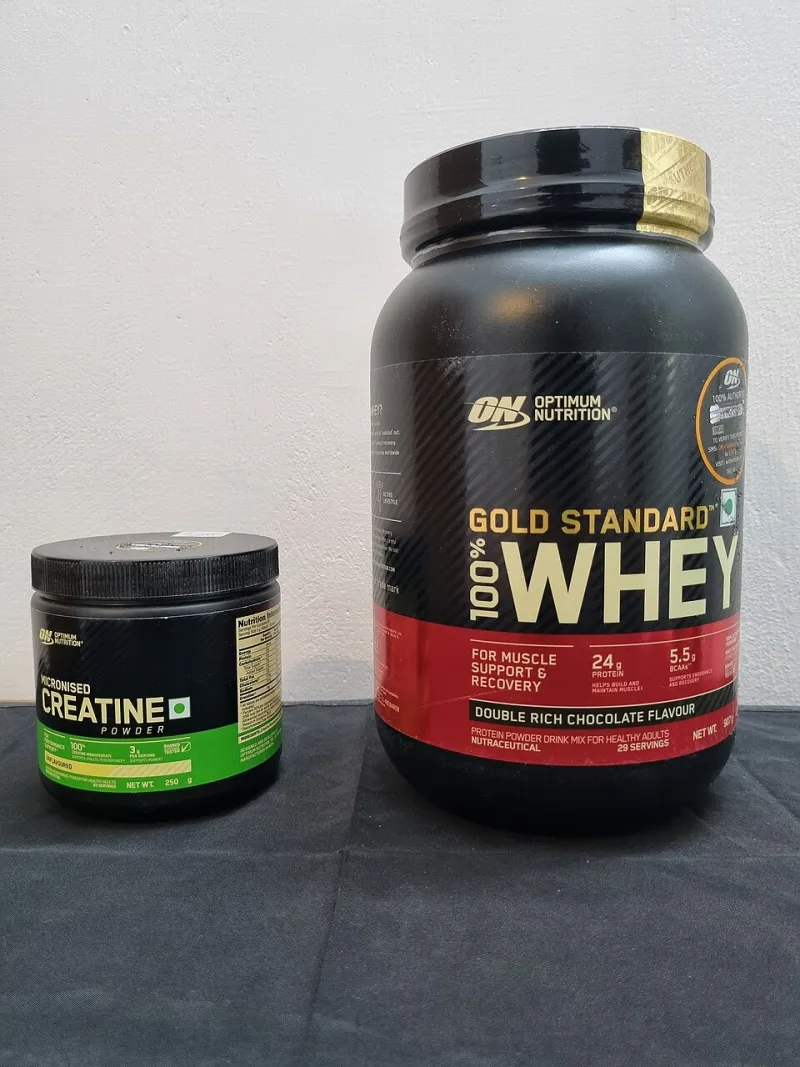
- Check the protein source. Most premium post-workout products use the same whey concentrate or isolate you can get in a standard tub for a fraction of the price.
- Look at the added ingredients. Creatine, BCAAs, and electrolytes are often included in these blends — but you can buy each of those separately and often cheaper.
- Do the math per serving. A lot of these products charge you for convenience and branding, not superior results.
A quality whey protein powder — something in the $30 to $40 range for a month's supply — combined with consistent training and a diet that hits your protein targets will outperform a $70 "rapid recovery formula" consumed in a rushed 30-minute window every single time.
The Bottom Line
The post-workout protein window isn't fake — it's just a lot more flexible than the fitness industry has led you to believe. Science points to total daily intake as the real driver of muscle growth and recovery. Timing is a fine-tuning tool, not the foundation.
So next time someone rushes out of the gym clutching their shaker bottle like their life depends on it, you can smile knowing something they don't. Your gains aren't on a countdown timer. They're built rep by rep, meal by meal, day by day.
Spend your supplement budget on things that actually move the needle. The parking lot protein panic can wait.