We Spent 12 Weeks Testing 5 Beginner Supplement Stacks — Here's Which Ones Were Actually Worth the Money
Photo: various fitness supplements and protein powder tubs on gym bench, via shimply.com
Walking into a supplement store as a beginner is a lot like walking into a casino. Everything is loud, everything promises big results, and the house almost always wins. The average American gym-goer spends somewhere between $50 and $150 a month on supplements — and a significant chunk of that goes toward products that deliver little more than expensive urine.
We wanted to cut through the noise. Over 12 weeks, we tracked five different beginner supplement stacks across a group of real users — no sponsored athletes, no brand deals, just regular people who are new to lifting and trying to figure out what actually works. We evaluated each stack on results, cost, and ease of use, then ranked them by return on investment.
Here's what we found.
How We Evaluated Each Stack
Before we get into the rankings, a quick note on methodology. Each participant followed a consistent resistance training program (three days per week, full body) and maintained a roughly similar caloric intake throughout the test. We tracked strength gains using compound lifts, body composition changes where measurable, energy levels, and recovery quality based on self-reported data.
Cost was calculated as a monthly average. ROI was scored on a simple 1–10 scale combining results per dollar spent and overall practicality for a beginner.
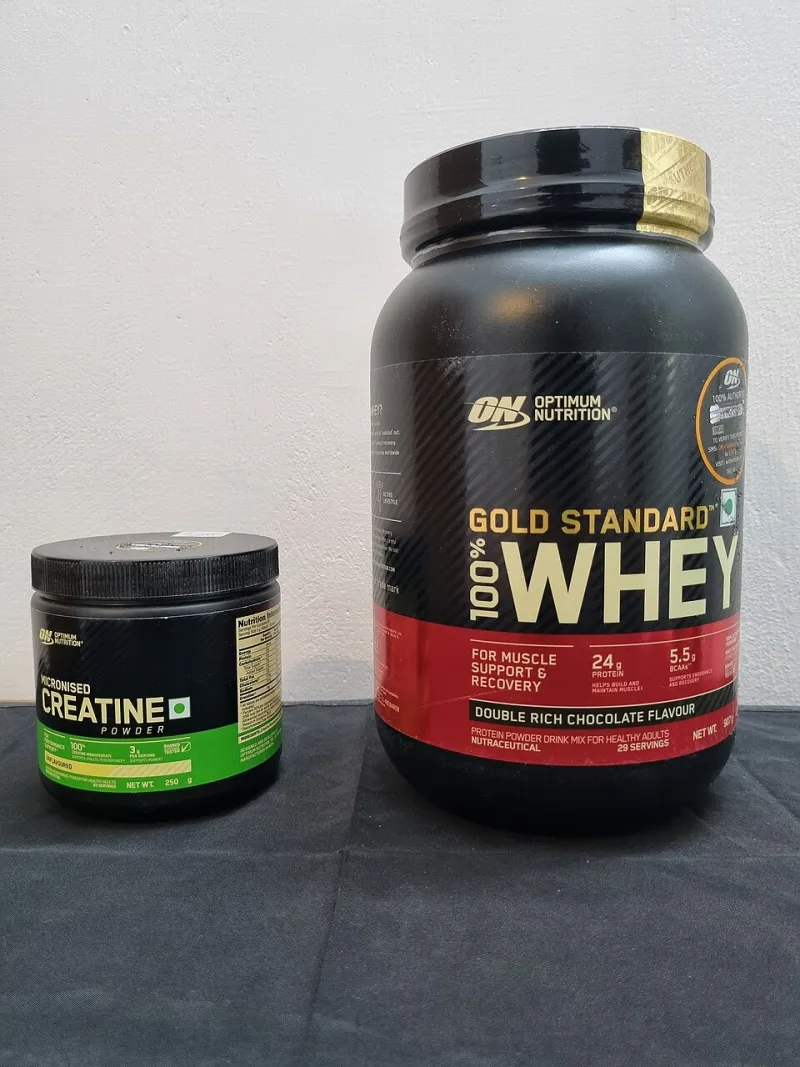
Stack #1: The "Gym Starter" — Whey Protein + Creatine Monohydrate
Monthly Cost: ~$35–$45
This is the boring answer. It's also the right one.
Whey protein and creatine monohydrate are two of the most thoroughly researched supplements in existence. Creatine has hundreds of peer-reviewed studies behind it showing consistent improvements in strength, power output, and lean mass gains. Whey protein helps you hit your daily protein targets without having to eat chicken breast at every meal.
Our testers on this stack showed solid, consistent strength improvements across the 12 weeks — squats and bench press numbers moved reliably, and recovery felt noticeably better compared to their pre-supplement baseline.
The kicker? This combination costs less than a single night out. You can grab a quality whey tub and a month's supply of creatine for under $45 combined if you shop smart.
ROI Score: 9/10 — Unsexy, proven, and genuinely effective per dollar.
Stack #2: The "Energy Stack" — Pre-Workout + Protein Powder
Monthly Cost: ~$65–$85
This one is wildly popular with beginners because pre-workout feels like it's doing something the moment you take it. That tingly, caffeinated rush is real — but how much of it is translating to actual results?
Our testers on this stack reported higher energy and motivation during sessions, which isn't nothing. Showing up with intensity matters. But when we compared strength and body composition changes against Stack #1, the gap was surprisingly small.
The issue with most pre-workouts marketed to beginners is that they're loaded with stimulants, proprietary blends, and underdosed "performance" ingredients that sound impressive but don't move the needle much. You're largely paying for caffeine and a marketing label.
If you're someone who struggles to get motivated at the gym, a moderate pre-workout can help. Just know that a strong cup of coffee and creatine will get you 80% of the way there for a fraction of the cost.
ROI Score: 6/10 — Useful for motivation, but the premium over Stack #1 isn't justified by the results.
Stack #3: The "Complete System" — Branded Beginner Bundle (Protein + Pre-Workout + BCAAs + Multi)
Monthly Cost: ~$120–$150
This is the bundle you see plastered across fitness Instagram ads. Four products, slick packaging, and a promise that you've got everything covered.
Let's be honest about what's happening here. Branched-chain amino acids (BCAAs) are largely redundant if you're already consuming adequate protein through your diet and a whey supplement. Multiple studies have shown that BCAAs don't provide meaningful additional benefit when protein intake is sufficient. You're essentially buying a more expensive version of what you already have.
The multivitamin is a reasonable add-on, but you can get a solid multi for $10 a month at any pharmacy. Bundled into a $140 fitness package, you're paying brand tax.
Our testers on this stack didn't outperform the Stack #1 group in any measurable way. They did spend three times as much.
ROI Score: 4/10 — Looks comprehensive on paper. Mostly an expensive redundancy in practice.
Stack #4: The "Natural Booster" — Ashwagandha + Protein + ZMA
Monthly Cost: ~$50–$65
This one surprised us. Ashwagandha has legitimate research behind it for stress reduction and modest improvements in testosterone levels and recovery, particularly in people who are sleep-deprived or under high stress. ZMA (zinc, magnesium, and B6) supports sleep quality and hormonal function.
For beginners who are also dealing with high-stress lifestyles — which, let's face it, is a lot of Americans — this stack offers something the others don't: support for the recovery side of the equation, not just the training side.
Strength gains were comparable to Stack #1, but testers consistently reported better sleep quality and lower perceived stress, which helped with consistency over the 12 weeks.
ROI Score: 7.5/10 — A smart, underrated option for beginners who need recovery support as much as performance support.
Stack #5: The "Influencer Stack" — Protein + Collagen + Greens Powder + Fat Burner
Monthly Cost: ~$110–$130
This combination is everywhere on social media right now, pushed by fitness influencers who may or may not disclose their affiliate deals. It looks healthy. It photographs well. And for beginners trying to lose weight while building muscle, it seems to cover all the bases.
The reality is messier. Fat burners are largely ineffective for beginners who haven't dialed in their diet and training first — the effect size is tiny, and most of the "results" people attribute to them are really just the result of finally working out consistently. Collagen protein doesn't support muscle protein synthesis the way whey does. And greens powders, while not harmful, are a poor substitute for actually eating vegetables.
Our testers on this stack had the least impressive strength gains of any group, partly because the protein quality was lower and the fat burner disrupted sleep in two participants.
ROI Score: 3/10 — Heavy on aesthetics, light on actual results. Skip it.
The Final Ranking
| Stack | Monthly Cost | ROI Score |
|---|---|---|
| Whey + Creatine | $35–$45 | 9/10 |
| Natural Booster Stack | $50–$65 | 7.5/10 |
| Energy Stack | $65–$85 | 6/10 |
| Complete Bundle | $120–$150 | 4/10 |
| Influencer Stack | $110–$130 | 3/10 |
What This Means for You
If you're just starting out, the boring truth is that the cheapest, least glamorous option wins. Whey protein and creatine monohydrate have decades of research behind them, cost less than almost any alternative, and consistently deliver results for beginners.
Everything else is either a useful add-on for specific needs (like the recovery-focused Stack #4) or a way to spend more money for the same or worse outcomes.
Before you drop $150 on a supplement bundle, ask yourself one question: am I training consistently and eating enough protein? If the answer is no, no supplement stack in the world is going to fix that.