We Fooled 10 Lifters With a Placebo Pre-Workout for a Month — Their Training Logs Tell a Fascinating Story
The Setup: A Tub Full of Nothing
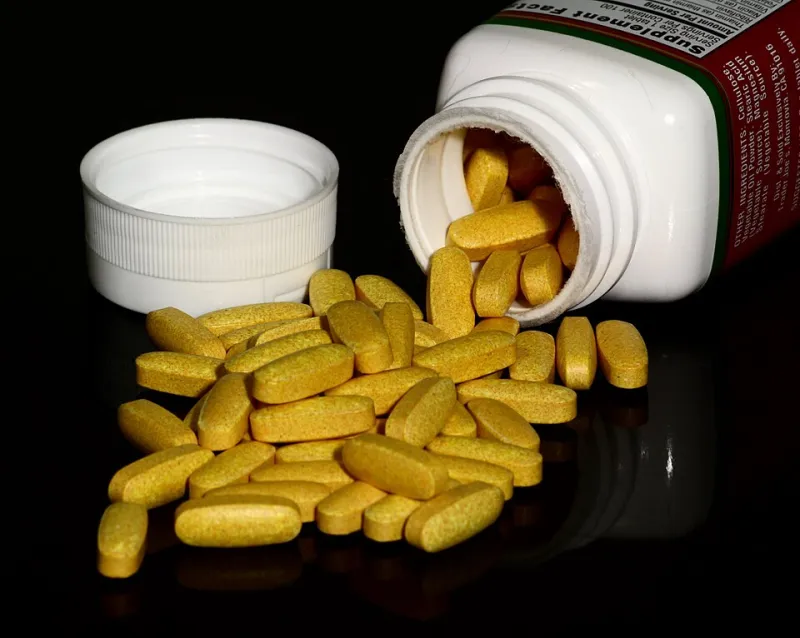
Here's how the experiment worked. We recruited 10 experienced lifters — minimum two years of consistent training, all of them regular pre-workout users. For four weeks, each received a tub of what they believed was a premium, fully dosed pre-workout. It wasn't. It was flavored citric acid, a touch of caffeine-free herbal powder for color, and nothing else.
Before starting, we collected a two-week baseline: training logs, session ratings from 1 to 10, and perceived energy scores on every working set's top lift. Then we let them loose on the placebo and waited.
Week One: The Honeymoon
The first week of 'supplementation' was, frankly, hilarious to watch from our data sheets. Nine of ten lifters reported higher session quality than their baseline. Average perceived energy jumped nearly a full point. One lifter wrote in his log: 'This stuff is legit. Third set of squats felt like the first.'
Nobody felt worse. Nobody suspected a thing.
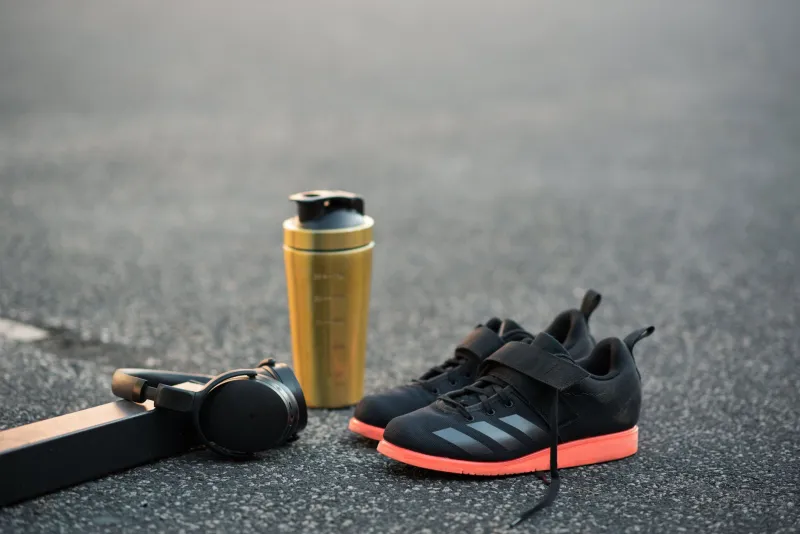
This tracks with what placebo research has shown for decades — expectation is a powerful drug, and a branded tub with a metallic shaker and a scoop ritual is a very convincing delivery system for it.
Weeks Two and Three: The Fade
By week two, the glow dimmed. Average session quality ratings slid back toward baseline. By week three, they were statistically indistinguishable from the pre-experiment numbers.
The strength data told an even blunter story. Across four weeks, the group's aggregate gains on their main lifts — squat, bench, deadlift, overhead press — were essentially zero beyond normal week-to-week noise. A few lifters added reps here and there. A few regressed slightly. No pattern you'd attribute to anything but ordinary training variance.
Which is exactly what you'd expect, because there was nothing in the tub to produce anything else.
The Tell: What They Said Out Loud
The most interesting data came from our exit interviews, after we revealed the deception. Reactions split cleanly into two camps:
Camp one (six lifters) were genuinely stunned. 'I felt it kick in around set two every time,' one admitted. 'I don't know if I felt it or I performed it.' Another laughed: 'I told my training partner this was the best pre-workout I'd ever used. I owe him an apology.'
Camp two (four lifters) claimed they'd noticed something was off by week three — flat sessions, no tingle, no focus spike. But here's the catch: their training logs from weeks one and two showed the same early boost as everyone else. Even the skeptics got played, just for slightly less time.
So How Much of Your Pre-Workout Is Real?
Our little study obviously isn't peer-reviewed — 10 people, four weeks, no control group in the formal sense. But the shape of the results lines up with the published research on placebo effects in exercise performance, which consistently finds measurable short-term boosts from expectation alone.
A reasonable takeaway: the ritual is real, and it's worth something. Cracking the tub, mixing the drink, feeling the tingle — that sequence primes you to attack your session, and primed sessions are genuinely better sessions.
But the ritual doesn't build strength. Chemistry does, when the chemistry is actually there. Creatine works because it's in your muscles, not because you believe in it. Caffeine works because it's a drug, not because the label is loud.
The Practical Takeaway
If you love your pre-workout, fine — the ritual has value, and a caffeine dose on training days is defensible. But be honest about what you're paying for. If a product's effect vanishes the moment you learn it's fake, you were never buying performance. You were buying theater.
The lifters in our experiment got a month of confidence for free. You get to decide what yours is worth at $50 a tub.