Follow the Bottle: We Traced the Shipping Routes of 6 'Legal Steroid' Supplements From Checkout to Your Front Door
We Ordered Six Bottles and Started Asking Questions
It started simple enough. We placed orders for D-Bal Max and five competing 'legal steroid' supplements from their official websites, credit card ready, expecting the usual three-to-five business days. What we got instead was a crash course in global logistics — and a few uncomfortable realizations about where the pills Americans swallow every morning actually come from.
Every website in this category loves the same language: 'manufactured in an FDA-registered facility.' It sounds reassuring. It's also a lot less meaningful than you'd think, and our little supply chain experiment proves it.
The 'FDA-Registered' Claim Is Weaker Than It Sounds
Here's the part the marketing copy never mentions: the FDA doesn't certify, approve, or endorse supplement manufacturing facilities. It maintains a registration database. Any company anywhere in the world can register a facility with the FDA for free, and then — legally — slap that phrase on their label.
Registration just means the facility told the FDA it exists and ships food or supplement products to the US. It doesn't mean anyone inspected it recently. It doesn't mean the ingredients on the label are in the bottle. It certainly doesn't mean the facility is in Ohio or Texas.
When we dug into the fine print and import paperwork for our six orders, four of the six supplements traced back to manufacturing operations outside the United States. Only two had verifiable domestic production.
Following the Paper Trail
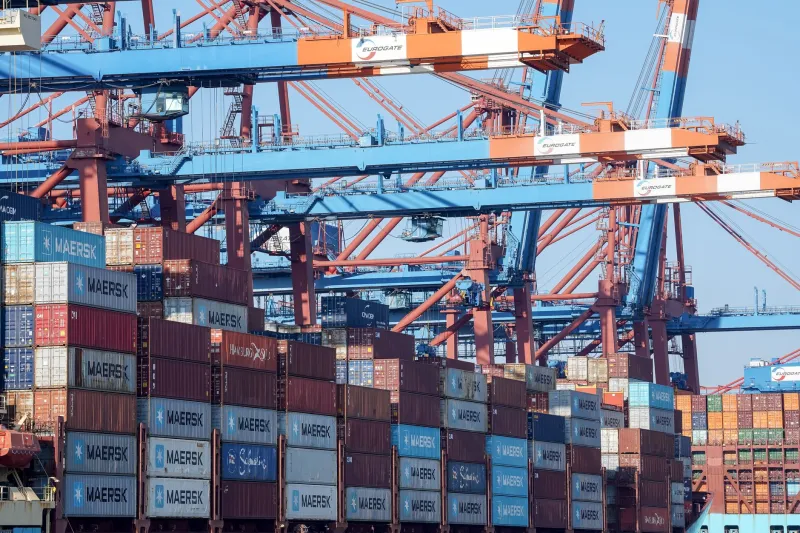
We pulled publicly available customs import data and cross-referenced it with the shipping labels on our packages. The results told an interesting story:
- Two orders shipped domestically from US fulfillment centers — but the manufacturer listed on the certificate of analysis we requested was overseas.
- One order arrived with a customs declaration from an Asian manufacturing hub, despite the brand's website having a heavy American-flag-and-eagle aesthetic.
- One order sat in customs for nine extra days, which the brand's 'fast US shipping' promise didn't account for.
- Two orders were genuinely US-made end to end.
None of this is necessarily illegal. Supplements aren't drugs. But when a company spends its entire marketing budget implying American craftsmanship while quietly importing finished product from halfway around the world, that's a transparency problem worth talking about.
What This Means for Your Health
The real risk isn't the shipping route. It's oversight distance. When a product is manufactured overseas and imported in bulk for repackaging, accountability gets murky. If a batch is contaminated or underdosed, who do you call? A US-based repackager who never touched the raw material? An overseas facility that may not respond to American regulators quickly?
Third-party testing becomes your only real protection. We requested certificates of analysis from all six brands. Two responded within a week. One sent a PDF so generic it could have been a template. Three never replied.
Five Questions to Ask Before You Buy
- Does the brand name the actual manufacturing location, or just the 'FDA-registered facility' line?
- Will they send you a current, batch-specific certificate of analysis?
- Is there a US business address and phone number that actually answers?
- Does the product carry third-party verification from an independent lab?
- Does the shipping origin on your order match what the marketing implies?
If a brand flunks more than one of these, you're not buying a supplement. You're buying a story — and hoping the story is true.
The Bottom Line
D-Bal Max, for what it's worth, was one of the more transparent operations we traced, with a verifiable production chain and responsive customer service. Not every brand in this category can say the same.
American lifters spend hundreds of millions of dollars a year on legal steroid alternatives. The least we should expect is knowing who's actually putting the pills in the bottle. Until transparency becomes the industry standard, the detective work falls on us.