Skip the Citrulline: We Put 'Alternative' Pump Formulas to the Test — Here's the Honest Verdict

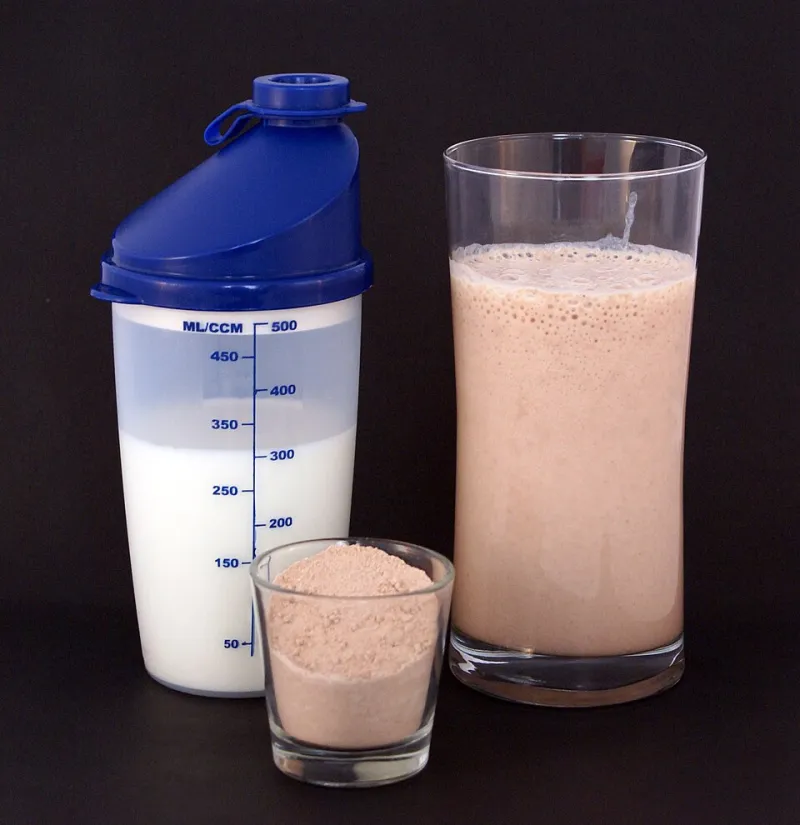
Photo: Shixart1985, CC BY 2.0, via Wikimedia Commons
If you've spent any time browsing supplement shelves lately — or doom-scrolling through bodybuilding forums at midnight — you've probably noticed a new breed of pump product making noise. These aren't your standard citrulline-and-beetroot stacks. Brands are pushing formulas that claim to deliver skin-splitting vascularity through blood volume expansion, mineral chelation, and other mechanisms that don't involve nitric oxide at all.
The pitch sounds compelling. But does it actually hold up when you put it under real-world conditions?
We spent several weeks collecting user feedback, digging through formulation trends, and cross-referencing what the research actually says about these alternative approaches. Here's what we found.
Why Brands Are Ditching the NO Playbook in the First Place
Let's be real — the nitric oxide pump category is saturated. Citrulline malate, L-arginine, and beetroot extract have been the backbone of pre-workout pump formulas for years. At this point, nearly every brand is using the same two or three ingredients at doses that barely move the needle. When everything looks the same on a label, companies need a new angle.
Enter the "alternative mechanism" pump. The marketing usually leans on terms like plasma volume expansion, cellular hydration, or mineral-facilitated vasodilation. It sounds science-forward, which is exactly the point. Whether the science actually backs it up is a different story.
The Main Players: What These Formulas Are Actually Using
Glycerol and Hyperhydration Agents
Glycerol is probably the most legitimate non-NO pump ingredient on the market right now. It works by drawing water into muscle cells and the bloodstream, increasing plasma volume and creating a fuller, more vascular look. The catch? Earlier forms of glycerol powder were notoriously unstable and clumped like crazy. Newer formats — specifically Hydromax, a stabilized glycerol with around 65% glycerol content — have improved this significantly.
User feedback on glycerol-forward formulas tends to be genuinely positive, particularly for lifters who train in hot or humid environments where hydration-based pumps are amplified. Several users in our feedback pool described a "dense fullness" that felt different from the typical vasodilation rush. It's not flashy, but it's real and it's reproducible.
The science here is reasonably solid. Multiple studies have shown that glycerol supplementation can meaningfully increase plasma volume, which translates to better nutrient delivery and a more pronounced muscular appearance during training.
Sodium and Electrolyte Loading
This one is interesting. A handful of newer pump formulas are leaning into strategic electrolyte loading — particularly sodium and potassium — as a way to drive cellular hydration and improve muscle fullness. The idea is that proper electrolyte balance allows muscles to hold more intracellular water, which enhances the pump effect without touching the NO pathway.
In practice, user responses here were more mixed. Lifters who were already eating high-sodium diets or who trained fasted reported minimal added benefit. But athletes who trained in a relatively depleted state — especially early morning lifters — noticed a meaningful difference in muscle fullness and endurance. Context matters a lot with this approach.
Mineral Chelation: The Sketchy One
Okay, this is where things get murky. Some brands are marketing "mineral-chelated" pump complexes with vague language about "bioavailability enhancement" and "vascular support." The ingredient lists often include magnesium glycinate, zinc bisglycinate, or copper chelates in doses that are... underwhelming, to put it politely.
When we dug into the actual research behind these specific applications for pump enhancement, the evidence was thin. Mineral chelation matters a lot for absorption efficiency in a dietary context, but the leap from "better mineral absorption" to "visible vascularity during a workout" is a big one that most of these formulas don't come close to justifying. This felt like differentiation for differentiation's sake.
Several users in our feedback group specifically called out formulas in this category as feeling "no different from a placebo." That tracks with what the research suggests.
Nitrates Without the Traditional NO Boosters
Here's a nuance worth unpacking: some "non-citrulline" pump formulas still technically influence nitric oxide production — they just do it through a different pathway. Ingredients like sodium nitrate or potassium nitrate convert to nitrite and then to NO in the body, bypassing the arginine-citrulline pathway entirely.
This is actually a legitimate and well-researched approach. Beetroot extract works through this same mechanism, and there's a decent body of literature supporting nitrate supplementation for endurance, blood flow, and exercise performance. If a formula is using dietary nitrates as its primary pump driver, calling it a "non-NO formula" is technically accurate but a little misleading.
For what it's worth, user feedback on nitrate-based formulas was consistently strong — comparable to, and in some cases better than, traditional citrulline stacks.
What Real Users Are Actually Saying
Across the feedback we collected, a few themes stood out:
- Glycerol-based products earned the most consistent praise, especially among powerlifters and bodybuilders who prioritize muscle fullness over surface vascularity.
- Nitrate-forward formulas performed well but drew skepticism from users who felt they were being marketed as something fundamentally different when the end result was similar to what they'd gotten from beetroot-based stacks.
- Electrolyte-heavy formulas were situationally effective — great for some, pointless for others depending on diet and training timing.
- "Mineral chelation" pump products got the worst reviews by a clear margin, with most users reporting no discernible effect.
The Bottom Line: Novel Mechanism or Marketing Noise?
Here's our honest take: not all of these alternative approaches are created equal, and the category as a whole deserves more scrutiny than it's currently getting.
Glycerol and dietary nitrates have legitimate, research-backed mechanisms that can deliver real results. If a formula is built around those ingredients at proper doses, it can absolutely compete with — and in some contexts outperform — a standard citrulline stack. That's not hype, that's just how the physiology works.
Electrolyte loading is a useful supporting strategy, but it probably shouldn't be the headline claim of any pump product.
Mineral chelation as a pump mechanism? That's mostly marketing. If you see a product leaning hard on that angle without substantial doses of proven ingredients alongside it, keep your wallet in your pocket.
The broader lesson here is one we come back to a lot on this site: ingredient transparency and proper dosing matter more than novel framing. A brand can dress up an old concept in new language all day long. What you actually want to know is what's in the formula, at what dose, and whether there's credible research behind that specific application.
Alternative pump formulas aren't a scam as a category — but a meaningful chunk of the products flying under that banner are riding the trend without the substance to back it up. Do your homework before you buy.