Legal Steroids in 2026: What They Actually Are, What They Can (and Can't) Do, and How to Spot a Dud

First Things First: 'Legal Steroid' Is a Marketing Term, Not a Drug Class
If you've typed "legal steroids" into a search bar, you've probably landed on a page promising anabolic results without a prescription. Here's the part the sales copy tends to skip: no supplement on a US shelf is a steroid. Real anabolic steroids are controlled substances and require a prescription. What you're actually shopping is a category of dietary supplements — usually plant extracts, amino acids, and a whole lot of creative naming — marketed as "steroid alternatives" or "legal steroids."
That doesn't automatically make them junk. It does mean the label is doing most of the work, and your bullshit detector needs to be calibrated before you spend $70 on a bottle with a lightning bolt on it.
What's Actually Inside These Bottles
We've cracked open a lot of labels over the years, and the formula patterns are pretty consistent. Most "legal steroid" products lean on a handful of familiar ingredients:
- Tribulus terrestris — the old-school testosterone booster that keeps showing up despite weak human data.
- D-Aspartic acid (DAA) — some short-term luteinizing hormone bumps in smaller studies, but nothing that reliably translates to more muscle.
- Fenugreek, ashwagandha, and various adaptogens — trendy, sometimes mildly useful for stress and sleep, rarely the anabolic game-changer the label implies.
- Ecdysteroids (like ecdysone) — insect hormones with a lot of rodent data and very little convincing human evidence.
- Proprietary blends — the classic move. If you can't see the dose, you can't evaluate the ingredient. Full stop.
None of these are illegal. None of these are steroids. And none of them have been shown in good human trials to build muscle the way actual anabolic agents do. That's the honest starting point.
The Claims vs. The Evidence
The marketing usually goes something like this: "Mimics the effects of Dianabol without the side effects!" It's a clever pitch because it borrows the credibility of a drug while selling you a supplement. But "mimics" is doing a lot of heavy lifting there.
The evidence for most of these ingredients is thin, mixed, or conducted in animals at doses that don't match what's in the capsule. Some studies on ashwagandha and fenugreek show modest effects on testosterone markers in specific populations, but the effect sizes are small and the research quality varies. That's not nothing — it's just not "legal Dianabol."
Here's the frame we keep coming back to at DBalMax Reviews: supplements are a rounding error compared to training, sleep, calories, and protein intake. A "legal steroid" won't out-work a bad program. It also won't out-work a good one.
The Red Flags We Keep Catching
This is where the category gets sketchy. A few patterns show up again and again on American shelves:
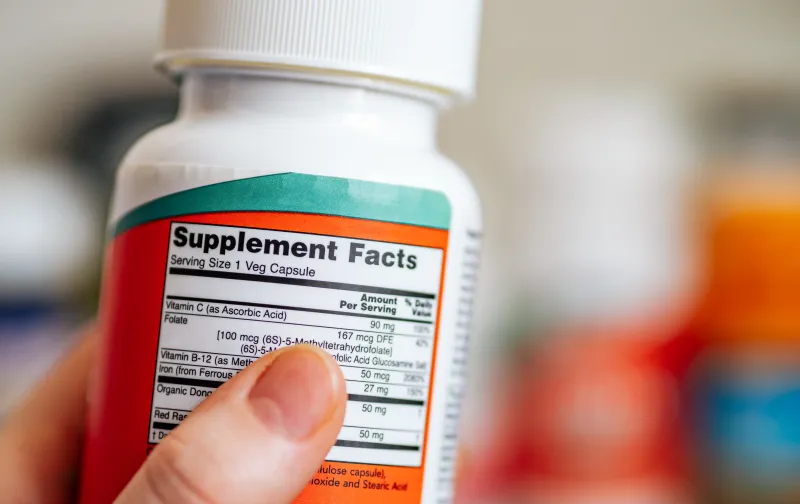
1. Steroid-sounding names with no steroid inside. Products named things like "Tren-X" or "Anavar Max" are banking on confusion. Read the supplement facts panel — if it's tribulus and fenugreek, that's what you're buying.
2. Undisclosed blends. If the label hides doses behind a "proprietary matrix," assume the cheapest ingredient is driving the formula.
3. Fake authority. Stock-photo doctors, "clinical studies" with no citation, and before-and-after photos that look suspiciously like the same guy with different lighting. We've written about this before and it hasn't gotten better.
4. Hidden pharmaceutical ingredients. This is the serious one. Independent testing has repeatedly found unlabeled prescription drugs — sometimes actual steroids, sometimes stimulants — in products marketed as "natural" or "legal." That's not a theoretical risk; it's a real safety issue, and it's why third-party testing matters.
5. SARMs dressed up as supplements. SARMs are not dietary supplements. They're unapproved drugs, and the FDA has been clear about it. If a product lists a SARM in the ingredients, treat it as a drug you're buying from a sketchy source, not a supplement.
How to Shop This Category Without Getting Played
You don't need to avoid the aisle entirely — you just need to shop it like an adult.
- Look for third-party testing. NSF Certified for Sport, Informed Sport, or USP verification. No seal? Lower your expectations.
- Demand transparent doses. If you can't see how much of each ingredient is in the capsule, walk away.
- Ignore the steroid comparisons. A supplement that has to name-drop a prescription drug to sell itself is telling you something about its own confidence.
- Check the FDA warning letters. The agency publishes them publicly, and repeat offenders tend to stay repeat offenders.
- Talk to a doctor if you're stacking anything. Especially if you're on medication, under 18, or dealing with any health condition. This is not the category to freestyle.
The Bottom Line
"Legal steroids" are a marketing category, not a shortcut. Some products in this space are honestly labeled and contain ingredients with modest, real-world evidence behind them. Many more are overpriced plant powders wrapped in steroid cosplay. The difference between the two usually comes down to transparency — clear doses, third-party testing, and claims that don't require you to squint.
If you're chasing serious gains in 2026, your money is still better spent on protein, creatine, calories, and a program you actually follow. The fancy bottle can come later — if it earns its spot.